.png "Recosport Europe")
- Elastic Bandages
- Kinesiology Tapes
- Sports adhesive tapes – sports plaster and sports tape
- Supplements
-
Sports Accessories
- Professional massage creams and oils for therapists
- Coolers
- Medical Bags
- BLAZEPOD
- Sports Recovery
-
Equipment
- Goals, Nets and Accessories
- Aluminum transport crates
- Fitness Equipment and Accessories
- Home
- New Products
- Manufacturers
- Contact


































Vitamins and Minerals: Essential role in athletes' performance
Vitamins and minerals are essential nutrients for overall health and physical performance. They are involved in hundreds of vital processes: from immune system function and tissue building to metabolizing food for energy. Vitamins are organic substances that the body cannot synthesize in sufficient amounts, while minerals are inorganic elements obtained from food. A balanced, varied diet and the right supplements provide the recommended daily intake. With an adequate supply of vitamins (such as B-complex, C, D, E) and minerals (calcium, magnesium, iron, zinc, etc.), we stay in shape and reduce the risk of deficiencies that may affect well-being.
The importance of vitamins and minerals for athletes
Athletes have increased nutrient needs due to intense physical effort, which makes vitamins and minerals indispensable. For example, B vitamins help release energy from carbohydrates, proteins, and fats, while a deficiency in B-complex vitamins can increase fatigue. Vitamin C, a powerful antioxidant, supports the immune system and reduces muscle fatigue, while vitamin D maintains bone health. Iron is crucial for transporting oxygen to the muscles; iron deficiency leads to chronic fatigue and reduced performance. Minerals such as magnesium and calcium are involved in muscle contraction and nerve impulse transmission. During exercise, vitamins protect muscle cells and optimize post-workout recovery. Thus, an adequate intake of vitamins and minerals supports energy systems, immunity, recovery, and the basic metabolism of athletes.
Key vitamins for athletes
-
B Vitamins (B-complex): Essential for energy metabolism. They help convert carbohydrates, proteins, and fats into energy, support metabolism, and reduce fatigue. Vitamin B12, for instance, prevents anemia and is especially important for athletes and vegetarians.
-
Vitamin C: With antioxidant properties, it helps neutralize free radicals generated during exercise and strengthens the immune system. Supplementing with vitamin C can reduce fatigue and support tissue repair.
-
Vitamin D: Helps fix calcium into bones and supports normal immune function. Athletes who train outdoors but lack sufficient sun exposure may need vitamin D supplements.
-
Vitamin E: Has a strong antioxidant effect, protecting cells against oxidative stress. It also supports immune function and maintains vascular health, aiding in muscle recovery and regeneration after exercise.
-
Vitamin A: (not suitable for all sports diets) supports immunity and eye health, useful in diverse diets. In supplements, vitamin A is usually included in multivitamin complexes.
Essential minerals in sports
-
Zinc: Supports immunity and protein (muscle) synthesis. It may also aid tissue repair after effort and regulate anabolic hormones.
-
Magnesium: Involved in protein synthesis and in the normal function of muscles and the nervous system. Supplementation helps reduce fatigue, promote muscle relaxation, and maintain a normal heart rhythm.
-
Iron: A key mineral for oxygen transport through hemoglobin and myoglobin. Iron deficiency reduces endurance and leads to pronounced fatigue. Female athletes and vegans are at higher risk of deficiency and may require supplementation.
-
Calcium: A bone component and necessary for optimal muscle contraction. It ensures skeletal strength and, together with magnesium, supports nerve impulse transmission.
-
Electrolytes (sodium and potassium): Maintain the body’s fluid and acid-base balance. Potassium regulates intracellular fluid and muscle contractions (including the heart), while sodium aids cellular hydration. During intense training, electrolyte intake is crucial to prevent cramps and dehydration.
When and how to take them
-
Morning (6–11 a.m.): Most vitamins and minerals are recommended in the morning with breakfast. Vitamin C and water-soluble B vitamins are best taken at the first meal of the day for energy and immunity. Vitamin E (fat-soluble) is better absorbed with fats and can be taken at breakfast or lunch. Iron is best taken on an empty stomach (optionally with vitamin C) for maximum absorption.
-
After training: After exercise, hydration and protein- and carbohydrate-rich meals are recommended. Antioxidant vitamins (C, E) and minerals (e.g., magnesium) can be taken after workouts to support recovery.
-
In periodic cycles: Many athletes take vitamins and minerals in 1–3 month cycles to cover periods of intense effort, physical stress, or seasonal changes (e.g., autumn/spring, when immunity is more vulnerable). Following label instructions and regular consultations with a specialist ensure safe and effective supplementation.
Choosing the right product
Depending on your needs, you can choose multivitamin complexes or individual formulas. Multivitamins contain a wide range of essential vitamins and minerals (usually A–Z) and provide a complete nutritional base. They are useful for people with restrictive diets or variable food intake, preventing deficiencies. On the other hand, individual formulas (e.g., only magnesium or only vitamin D) are recommended when there is a confirmed deficiency or increased requirement (e.g., iron supplements for anemia). The choice depends on lifestyle and goals. Always follow specialist advice and product labels to ensure proper dosing.
Z-Konzept – German quality and safety
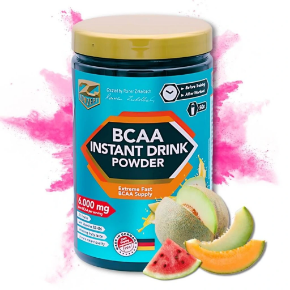
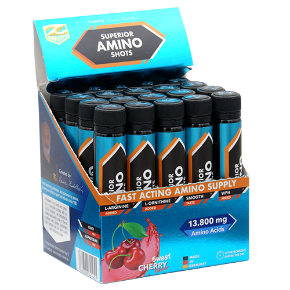
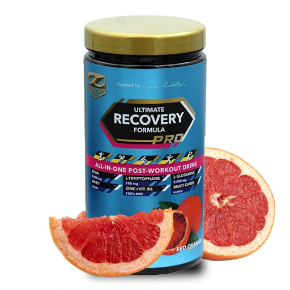
The Z-Konzept brand is recognized for the premium quality of its supplements (made in Germany). Z-Konzept products are scientifically developed, with carefully selected ingredients and accurate dosages for optimal absorption and pleasant taste. Safety is a priority: Z-Konzept collaborates with anti-doping centers and guarantees that its formulas are tested and free of banned substances. This way, professional athletes benefit from high-quality supplements that can be confidently integrated into their recovery and nutrition regimen.
Who should use these supplements
Vitamins and minerals are beneficial for both professional and amateur athletes who engage in regular training, as they meet the increased nutrient demands. They are also suitable for active individuals seeking energy support and strong immunity. Vegans and vegetarians are advised to supplement with B12, iron, and zinc, given the absence of animal sources in their diet. During periods of intense stress or chronic fatigue, B-complex vitamins, vitamin C, and natural adaptogens can aid recovery. Likewise, during seasonal changes (autumn, winter), supplements for immunity (vitamins C, D, zinc) can be highly beneficial.
Frequently Asked Questions (FAQ)
“Which vitamins are good for athletes?” – B vitamins (B-complex) are essential for energy and reducing fatigue. Vitamins C and E have antioxidant roles and support immunity. Vitamins D and A are important for bone health and immunity. Combined with minerals such as magnesium, calcium, and iron, they aid in recovery and performance.
“When should vitamins be taken – morning or evening?” – Most water-soluble vitamins (B, C) and minerals should be taken in the morning with breakfast to provide energy throughout the day. Fat-soluble vitamins (A, D, E, K) are best absorbed with fats and can also be taken in the morning. Magnesium is often taken in the evening to support relaxation and sleep. Avoid taking stimulating vitamins (such as B complex) too late, as they may affect sleep quality.
“What are the most important minerals for physical effort?” – Among the most important minerals for sports performance are iron, which transports oxygen to the muscles, and electrolytes sodium and potassium, which maintain hydration and muscle contraction. Magnesium and calcium are also essential for the normal functioning of muscles and the nervous system. Supplements providing these minerals help prevent cramps and accelerate recovery after exercise.

COLLAGEN 10000 - SHOT

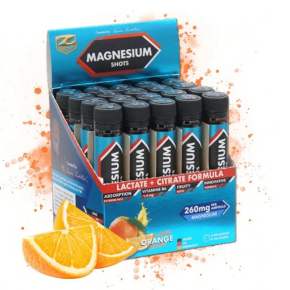
LIQUID MAGNESIUM + B6 SHOTS

PROCARB GEL 40ML - Z-KONZEPT

PRO Isotonic Drink 525g - Z-Konzept Cherry

PRO Isotonic Drink 525g - Z-Konzept Lamaie

PRO Isotonic Drink 525g - Z-Konzept Orange

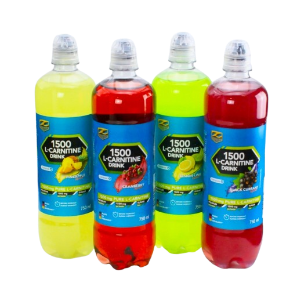
VITACTIVE SYRUP + L-CARNITINE - 1000ML ENERGY

VITACTIVE SYRUP + L-CARNITINE - 1000ML CHERRY

VITACTIVE SYRUP + L-CARNITINE - 1000ML BLACKBERRIES

VITACTIVE SYRUP + L-CARNITINE - 1000ML GREEN TEA - LIME

VITACTIVE SYRUP + L-CARNITINE - 1000ML LEMON-LIME

VITACTIVE SYRUP + L-CARNITINE - 1000ML PAPAYA

VITACTIVE SYRUP + L-CARNITINE - 1000ML PEACH

VITACTIVE SYRUP + L-CARNITINE - 1000ML ORANGES

VITAMIN C 120 CAPS KZ


Omega 3 Fish Oil 90 caps - Z-Konzept

ZMA Forte Z-Konzept 90 caps

B-COMPLEX FORTE - 60 Capsules Z-Konzept

Beta Glucan Forte Z-Konzept - 126 Capsules

D3 + MINERALS FORTE - 60 Capsules Z-Konzept

JOINT CAPS FORTE - 80caps Z-Konzept


Magnesium Liquid 20 X 25 ml Multipower

LIQUID MAGNESIUM + VITAMIN C - 20 x 25ml Body Attack

Liquid Magnesium + Vitamin C 500ml Body Attack

Magnesium + Calcium - 250 tablets Body Attack


Zinc Bisglycinate (180 Capsules) Body Attack

Carborade 1kg- Orange FA Nutrition

Carborade 1kg - Strawberry FA Nutrition

Carborade 1kg - Lemon FA Nutrition

Carborade 1kg - Lime FA Nutrition

Carborade 1kg - Grapefruit FA Nutrition

Carborade 1 kg – Blueberry FA Nutrition

Carborade 1kg - Melon FA Nutrition

Carborade 1kg - Watermelon FA Nutrition

Carborade 1kg - Grapes FA Nutrition

GREENS AND JUICE 360G - LEMON FA

IMMUNITY BOOSTER 180G - FA

CLA 60 CAPS - FA

LIVER SUPPORT 60 CAPS - FA

OMEGA 3-6-9 60 CAPS - FA

Complex Multivitamins 60 Tabs - Benefit

Omega 3 Fish Oil 1000mg - 90 Caps Benefit


Vitamin C 1000mg - 60 Tabs Benefit

Collagen Powder 10000mg - 600g Benefit

Magnesium Bisglycinate 60 Caps - Benefit

Electrolytes 20 Effervescent Tablets - Orange - Dextro Energy

Electrolytes 20 Effervescent Tablets - Berries - Dextro Energy

Electrolytes 20 Effervescent Tablets - Lime - Dextro Energy


Energizing Gum – Energy & Focus – Neuro Gum

Coenzyme Q10 Ubiquinone 200 60 caps - so good!


.png)


