.png "Recosport Europe")
- Elastic Bandages
- Kinesiology Tapes
- Sports adhesive tapes – sports plaster and sports tape
- Supplements
-
Sports Accessories
- Professional massage creams and oils for therapists
- Coolers
- Medical Bags
- BLAZEPOD
- Sports Recovery
-
Equipment
- Goals, Nets and Accessories
- Aluminum transport crates
- Fitness Equipment and Accessories
- Home
- New Products
- Manufacturers
- Contact


















Supplements for muscle mass
Muscle Mass Growth: Nutrition, Training, and Supplements
Muscle mass growth means increasing the volume of muscle fibers through hypertrophy. This process requires several key factors: proper nutrition (caloric and protein surplus) and progressive resistance training. Specialists recommend a caloric surplus of about 300–500 kcal/day and a protein intake of ~1.6–2.2 g per kg of body weight to support muscle growth. In addition, exercises must be intense and varied enough to cause micro-tears in the muscles, which will then be repaired and strengthened during recovery.
Rest and recovery are just as important as diet and training. During deep sleep, the body releases growth hormone necessary for muscle regeneration. Without proper rest (at least 7–8 hours per night), training results are suboptimal. Therefore, rest and post-workout recovery are essential for muscle fibers to grow between sessions.
Effective Supplement Types for Muscle Mass
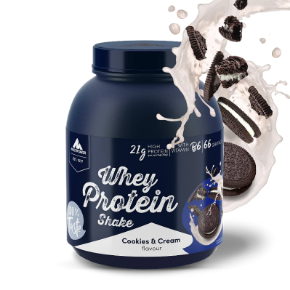
Proteins (Whey, Isolates): Protein powders provide essential amino acids for new muscle synthesis. Consuming high-quality proteins with a complete amino acid profile (especially BCAAs) is critical for hypertrophy. For example, a Multipower Whey Protein Shake provides ~22 g protein per serving, with a pleasant taste and excellent solubility. Such supplements help meet daily protein needs when whole foods aren’t enough.
Gainers: High-calorie blends containing protein and lots of carbs, designed for people with fast metabolism or difficulty eating enough. A typical gainer may contain >1000 kcal and 20–60 g protein per serving. They help create the caloric surplus needed for muscle growth but are not “miracle” products – recommended only when you can’t consume enough calories from whole foods.
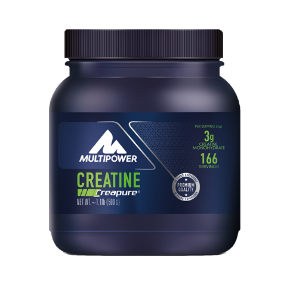
Creatine: One of the most studied supplements for strength and muscle growth. Creatine monohydrate increases muscle phosphocreatine stores, boosting available energy (ATP) for intense contractions. Research shows creatine increases strength and muscle mass over time, while also aiding recovery. Additionally, creatine draws water into muscle cells, potentially triggering extra anabolic signals.
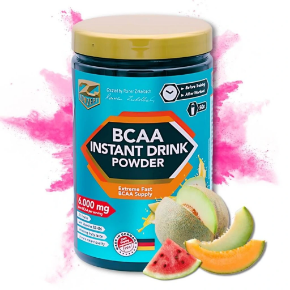
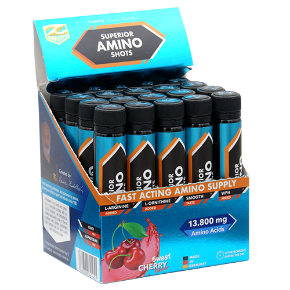
BCAAs (branched-chain amino acids): Leucine, valine, and isoleucine are major components of muscle protein. They stimulate muscle protein synthesis (with leucine acting as an anabolic switch). However, most people already get enough BCAAs from diet. So, BCAA supplements are only useful if your protein intake is insufficient.
Pre-workouts: Multi-ingredient supplements taken before workouts for energy and focus. They may contain caffeine, beta-alanine, creatine, BCAAs, citrulline, electrolytes, etc. Usually taken ~30 minutes before training to enhance intensity and endurance. While they don’t build muscle directly, they boost performance, allowing more productive sessions.
How Supplements Work
-
Proteins provide the building blocks (amino acids) for repairing and growing muscle fibers.
-
Creatine supplies rapid energy in muscle cells (via ATP regeneration) and promotes growth through cell volumization.
-
BCAAs (especially leucine) act as direct triggers for muscle protein synthesis.
-
Glutamine and other amino acids may accelerate recovery.
-
Pre-workouts (caffeine, beta-alanine, etc.) increase alertness and delay fatigue.
Together with proper training, these supplements complement each other: protein and energy (from creatine or carbs) enable efficient growth, while pre-workout stimulants enhance training performance.
When and How to Take Them
-
Pre-workout: ~30 minutes before training, in powder, capsule, or drink form.
-
Proteins & amino acids: Anytime, but traditionally right after workouts or between meals. The “anabolic window” lasts several hours, so total daily intake matters most.
-
Creatine: Daily, regardless of timing, to keep muscles saturated.
-
BCAAs: Before, during, or after training if extra amino acids are needed.
-
Gainer: Usually post-workout or as a meal replacement, to quickly replenish glycogen and supply protein + calories.
Recommendations for Beginners and Advanced Athletes
Beginners: Focus on correct nutrition and training first. Supplements are secondary. Experts suggest starting with only 1–2 basics if needed: e.g., whey protein and creatine monohydrate. Whey helps you meet protein needs, while creatine (5 g/day) is safe and effective for strength and growth. Skip complex pre-workouts or BCAAs at first. Think of supplements as “bonus credits” – helpful, but nothing replaces consistent training and solid nutrition.
Advanced athletes: Once diet and training are optimized, you can experiment with combinations. For example, advanced bodybuilders often add amino acids, more advanced gainers, or complex pre-workouts. Still, stick to proven formulas and monitor dosage. Always prioritize high-quality protein and creatine first, as these are the most scientifically backed.
Multipower and Z-Konzept Proteins
Both German brands are recognized for premium quality and strict testing.
-
Multipower: Scientifically formulated; e.g., a whey shake offers ~22 g protein from concentrates and isolates, with great taste, solubility, and digestibility.
-
Z-Konzept: Known as a “recovery expert,” based on scientific research and performance athlete feedback. Products are tested for anti-doping compliance, ensuring quality and safety. Athletes highlight that “not all proteins are the same – with Z-Konzept, you get 100% quality.”
Both Multipower and Z-Konzept deliver trusted “German quality” proteins: verified formulas, excellent taste, and efficient absorption – ideal for anyone aiming to build muscle mass.
Recommended Supplement Stacks
Popular example: Post-workout shake with protein + creatine + BCAAs.
-
Protein repairs muscle tissue
-
Creatine boosts extra energy
-
Leucine (BCAA) switches on protein synthesis
Other options: protein + gainer (extra calories) or protein + pre-workout (better training). Always follow recommended dosages and maintain balanced nutrition. A smart stack of protein, creatine, and BCAAs accelerates progress; adding carbs from a gainer ensures the energy needed for growth.
FAQ
Q: What are the best supplements for muscle mass?
A: Experts agree the most reliable are quality proteins (whey, isolates) and creatine monohydrate. These have the strongest scientific support. BCAAs or pre-workouts may help secondarily, but protein intake and proper training are top priority.
Q: Is a gainer enough on its own?
A: No. A gainer provides calories and can help fast-metabolism individuals, but it doesn’t replace meals. It’s just a tool for caloric surplus. Combine it with quality protein and a solid diet for best results.
Q: How long until results appear?
A: Depends on the person, program, and consistency. Generally, first visible changes occur after ~6–10 weeks, with strength gains and muscle definition. Maximum results develop over months of steady training – patience and consistency are key.

100% Pure Protein Whey - 2000g Chocolate MPower

100% Pure Protein Whey - 2000g Vanilla MPower

100% Pure Whey Protein - 2000g Cookies & Cream MPower

Prime Whey Protein 2.28kg - Chocolate - Z-Konzept

Prime Whey Protein 2.28kg Vanilla- Z-Konzept

Prime Whey Protein 2.28kg - Strawberrie Z-Konzept


High Protein Shake -


High Protein Shake 500 ml, Passion Fruit & Vanilla Ice Cream – Body Attack

Power Weight Gainer 4750g - Chocolate Body Attack

Power Weight Gainer 4750g - Vanilla Body Attack

Power Weight Gainer 4750g - Cookies n Cream Body Attack

My Supps Power Amino Liquid - 1L Orange- Body Attack

MEGA AMINO LIQUID - CHERRY 1L Z-KONZEPT

MEGA AMINO LIQUID CHERRY 500ML Z-KONZEPT

SUPERIOR AMINO SHOTS - 20X25ML KZ

BCAA Shots - 20 x 25ml Body Attack

BCAA 2:1:1 INSTANT POWDER - 500G CHERRY KZ

BCAA + B6 CAPSULE - 120 PCS

BCAA KICK White Tea Peach - 500ml Body Attack

EAA Kick Amino Wild Berry - 500ml Body Attack

Arginina Zero - 500g Body Attack

Complete EAA - 120 Caps Body Attack

EAA Kick Amino Ice Tea Lemon - 500ml Body Attack


.png)


