.png "Recosport Europe")
- Elastic Bandages
- Kinesiology Tapes
- Sports adhesive tapes – sports plaster and sports tape
- Supplements
-
Sports Accessories
- Professional massage creams and oils for therapists
- Coolers
- Medical Bags
- BLAZEPOD
- Sports Recovery
-
Equipment
- Goals, Nets and Accessories
- Aluminum transport crates
- Fitness Equipment and Accessories
- Home
- New Products
- Manufacturers
- Contact





































Amino acids
Amino acids are organic compounds that make up proteins, which are essential for building and maintaining the body. Essentially, they are the “building blocks of proteins” – every protein in the body (muscles, skin, enzymes, hormones, etc.) is made up of dozens or even hundreds of amino acids arranged in unique sequences. The human body uses 20 different amino acids, 9 of which are essential, meaning they must be obtained from diet or supplements. Without the necessary amino acids, protein synthesis decreases, and critical processes such as cell regeneration, hormone production, and immune function may be impaired.
Amino acids play multiple vital roles: they are involved in muscle and tissue formation (growth and repair), stimulation of the immune system, hormone and neurotransmitter production (brain messengers), energy supply, and maintaining a healthy metabolism. Athletes and active people require an optimal intake of amino acids to support protein synthesis and muscle regeneration. For example, amino acids can reduce muscle catabolism (breakdown) during dieting or intense training, while at the same time supporting energy production and resistance to fatigue.
When and why to take amino acid supplements
Athletes and people engaged in intense physical activity often choose amino acid-based supplements to complete their diet and optimize training. The timing of intake depends on the goal:
-
Before training: Some prefer taking BCAAs (branched-chain amino acids – leucine, isoleucine, valine) before exercise to prevent muscle breakdown and provide extra energy.
-
During training: Consuming amino acids (liquid or diluted powder) can help maintain energy levels and reduce fatigue, ensuring sustained performance.
-
After training: Amino acid supplements (especially complete EAA formulas or glutamine) are popular after exercise, when the body enters an “anabolic window” and absorbs nutrients quickly. Immediate amino acid intake supports muscle fiber repair and protein synthesis.
-
Specific situations: For example, if you follow a low-protein diet, supplementing with essential amino acids (EAA) can compensate for the nutritional gap. After very long or double training sessions, an evening dose of amino acids supports overnight muscle recovery.
Recommended dosages and distribution throughout the day vary depending on body weight, intensity, and goals, so a specialist can help design an optimal plan. What’s certain is that combining amino acids + a balanced diet + hydration leads to the best results in recovery and muscle development.
Key benefits for athletes and active individuals
Amino acids provide numerous advantages to physically active people, including:
-
Maintaining muscle mass: Amino acid-based protein supplements support muscle protein synthesis and prevent tissue breakdown during calorie deficit. Adequate amino acid intake helps preserve lean muscle mass even during weight loss diets.
-
Muscle regeneration and growth: After exercise, amino acids provide the necessary elements for repairing micro-tears and building new tissue. Proteins and amino acids act like a chemical “Tetris,” enabling muscles to recover and grow stronger.
-
Immune system support: Intense workouts put the body under oxidative stress and challenge immunity. Amino acids such as L-glutamine support immune functions, reducing the risk of infections or immune suppression after demanding exercise.
-
Energy production and reduced fatigue: Certain amino acids (e.g., valine, leucine) can serve as energy sources during exertion, delaying fatigue. They also support energy metabolism (through added coenzymes and vitamins – for example, vitamin B6 in supplements helps metabolize carbohydrates and proteins).
-
Metabolic roles: Beyond muscle function, amino acids contribute to brain activity (neurotransmitters), hormonal balance, and overall health (hair, skin, nails, connective tissue). For athletes, this metabolic-hormonal balance translates into better performance and well-being.
Types of amino acids and forms of supplementation
There are several types of amino acids commonly used in supplements:
-
Essential amino acids (EAA): The 9 amino acids the body cannot produce. They must be obtained from diet (meat, eggs, dairy, soy, etc.) or supplements. A complete EAA profile supports full protein synthesis and recovery after exercise.
-
BCAAs (Branched-Chain Amino Acids): Leucine, isoleucine, and valine. These three are especially important for athletes as they strongly stimulate muscle protein synthesis and reduce fatigue during training. Leucine is considered the key amino acid for triggering muscle growth.
-
L-Glutamine: Although non-essential (the body produces it naturally), glutamine becomes crucial during intense effort and deficiency. It supports muscle recovery and strengthens immunity. Many supplements include glutamine to speed up recovery after long workouts.
-
L-Arginine: A semi-essential amino acid known for its vasodilatory effect. Increasing arginine levels can improve blood flow and nutrient delivery to muscles during exercise. It also supports cardiovascular functions and nitric oxide production.
-
Liquids vs. capsules/powder: Liquid amino acids (shots or concentrates) are pre-dissolved, making them much faster absorbed than capsules or powders. For intense training, this means amino acids are available more quickly to muscles. Capsules and tablets, on the other hand, are convenient and tasteless but may have slower release. The choice depends on personal preference and timing: liquids are ideal immediately pre/post-workout, while capsules suit convenience and steady dosing.
Liquid amino acids – fast absorption and benefits
Liquid supplements offer several key advantages:
-
Ultra-fast absorption: The liquid formula allows superior bioavailability. Being pre-dissolved, liquid amino acids are absorbed faster than powders or capsules, making them the top choice for athletes needing immediate support before or after training.
-
Accelerated recovery: Thanks to rapid absorption, liquid amino acids help reduce muscle soreness and efficiently regenerate tissues after exercise. The concentrated formula delivers what the body needs exactly when it needs it.
-
Precise dosing and convenience: Liquids are usually portioned (e.g., 15 ml or 25 ml), ensuring accurate dosing. They can be consumed directly or diluted with water, and their pleasant taste makes them easy to drink.
Z-Konzept brand – German quality and advanced formulas
Z-Konzept is a German brand recognized in sports nutrition for its high-quality products. Their range includes advanced liquid amino acid formulas:
-
Mega Amino Liquid (1L): A hydrolyzed protein concentrate delivering 8,000 mg of peptides and amino acids per serving, ensuring very fast absorption. High peptide content plus added vitamin B6 (200% of daily requirement per serving) supports optimal protein and energy metabolism.
-
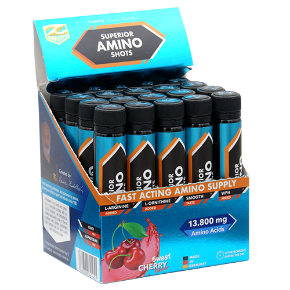
Superior Amino Shots (25 ml vials): Provide a concentrated, easy-to-take dose. Each vial combines advanced amino acids (including L-ornithine and L-arginine) with vitamins, ideal especially before training. The liquid formula digests much faster than standard protein powders, giving a rapid amino acid “boost.”
-
Precise dosing: One vial (25 ml) or 15 ml of Mega Amino is recommended, easily measured with the provided cup. This fixed dose ensures you get exactly what the manufacturer intends.
-
Pleasant taste and variety: Specially designed flavors (e.g., cherry, citrus) make Z-Konzept supplements enjoyable, unlike the bitter taste of some powders.
Recommendations by goal
-
Definition and Energy: If your goal is fat reduction and sustained energy, BCAAs before and during workouts can be effective. They provide a quick protein and energy boost without adding many calories.
-
Recovery and Muscle Mass: For building muscle and post-exercise recovery, a complete EAA complex is recommended. EAAs contain all the necessary building blocks for protein synthesis, with leucine as the key growth trigger. Supplements with added glutamine and arginine (like certain Z-Konzept vials) further support rapid regeneration and immunity.
-
Endurance and General Health: Besides BCAAs and EAAs, targeted amino acids can be helpful. Arginine enhances circulation, while glutamine supports recovery after sustained exertion. The best approach is a balanced combination tailored to your needs (consult a sports nutritionist).
Frequently Asked Questions (FAQ)
Which amino acids are best for recovery?
The most effective are complete essential amino acid (EAA) complexes taken post-workout. They contain all the fundamental building blocks for muscle protein synthesis. Additionally, non-essential amino acids like L-glutamine also aid in recovery and immunity.
What is the difference between BCAA and EAA?
BCAAs include only 3 essential amino acids (leucine, isoleucine, valine), which act quickly on muscles during exercise. EAAs contain all 9 essential amino acids, offering broader support for long-term protein synthesis. In short, BCAAs are great for instant energy and rapid protection, while EAAs are better for complete recovery and sustainable muscle growth.
Are liquid amino acids more effective?
Yes, liquid forms allow much faster absorption than capsules or powders. The main benefit is speed: liquid amino acids enter the bloodstream almost immediately, making them ideal for pre/post-workout use. Otherwise, their overall effectiveness is similar – the key is dosage and timing.
Can I combine amino acids in any way?
Amino acids from different sources complement each other, but it’s important to stick to the recommended dose. For example, BCAAs can be combined with glutamine or creatine for complementary effects. Generally, the best allies for recovery and muscle building are complete EAAs, BCAAs, and glutamine – depending on timing and training goals.

L-Glutamine Powder 500g - Multipower

100% L-GLUTAMINE POWDER - 400G Z-KONZEPT

SUPERIOR AMINO SHOTS - 20X25ML KZ

MEGA AMINO LIQUID - CHERRY 1L Z-KONZEPT

MEGA AMINO LIQUID CHERRY 500ML Z-KONZEPT

BCAA 2:1:1 INSTANT POWDER - 500G CHERRY KZ

BCAA + B6 CAPSULE - 120 PCS

L-ARGININE 5000 CAPSULE - 100 PCS

My Supps Power Amino Liquid - 1L Orange- Body Attack

BCAA Shots - 20 x 25ml Body Attack

Arginina Zero - 500g Body Attack

AAKG (L-Arginine + L-Ornithine) Shot 20×25 ml


.png)


