.png "Recosport Europe")
- Elastic Bandages
- Kinesiology Tapes
- Sports adhesive tapes – sports plaster and sports tape
- Supplements
-
Sports Accessories
- Professional massage creams and oils for therapists
- Coolers
- Medical Bags
- BLAZEPOD
- Sports Recovery
-
Equipment
- Goals, Nets and Accessories
- Aluminum transport crates
- Fitness Equipment and Accessories
- Home
- New Products
- Manufacturers
- Contact






















Proteins
Proteins are fundamental for our body – they make up the structure of muscles, skin, hair, nails, and bones, but are also essential for the optimal functioning of all organs. Chemically, proteins are macromolecules composed of chains of amino acids, and the body cannot produce or store all the amino acids it needs. Therefore, a balanced diet or dietary supplements are necessary to ensure an optimal protein intake. Proteins are not just a nutrient for athletes; they support overall health: they help synthesize enzymes and hormones, participate in tissue repair, and support the immune system.
When to consume proteins
The optimal timing for protein intake depends on your individual needs. As a general rule, most athletes and trainers recommend a protein shake after training, since muscles need amino acids to recover quickly. However, studies show that the “anabolic window” of one hour post-workout is not as strict as once believed; what matters more is consistently consuming the required amount of protein throughout the day.
-
Immediately after training: protein and carbohydrate intake during this period promotes rapid muscle tissue repair and replenishment of energy stores. A protein shake within 30–60 minutes after exercise reduces fatigue and speeds recovery.
-
Before training: a small protein snack (for example, a shake with a small amount of carbs) can provide the amino acids needed during exercise and prevent muscle catabolism. If shakes bloat you, a light protein-based meal (eggs, yogurt) a few hours before training can be useful.
-
In the morning: after a long fasting period (sleep), a protein shake or a protein-rich breakfast (eggs, cheese, lean meat) “refills” the body’s amino acid stores and kickstarts metabolism. Protein consumption at the beginning of the day maintains satiety and can fuel your morning workout.
-
Before bedtime: a slow-digesting protein (such as casein) taken in the evening supports the body overnight. Casein digests slowly, delivering amino acids to muscles for hours and enhancing muscle recovery.
In practice, when you take protein is less important than how much and what quality. Specialists emphasize that the daily protein intake (1.4–2 g/kg body weight for active people) matters more than the exact time of day. So, take your shakes when it works best for you – before or after exercise, in the morning, or between meals – depending on your schedule and preferences.
Why take proteins?
Protein supplements are extremely popular among athletes because of the many benefits they provide:
-
Faster muscle recovery: amino acids in proteins support the reconstruction of muscle fibers damaged during training. Adequate protein intake after exercise repairs micro-tears in muscles and makes them stronger and more resilient.
-
Muscle growth: complete proteins provide the body with all the components necessary for muscle protein synthesis. Consistently high protein intake (from supplements or diet) is essential for building muscle mass and achieving the “pump” desired by bodybuilders and strength athletes. Those aiming for hypertrophy should target 1.6–2.0 g of protein per kg of body weight per day.
-
Performance and energy maintenance: beyond their structural role, proteins provide secondary muscle energy (in carbohydrate-deficient conditions) and support endurance. Proteins combined with carbs around workouts supply energy and protect muscles during exertion.
-
Whole-body recovery: higher protein intake improves general post-workout recovery. Proteins contribute to enzyme and hormone synthesis (including growth hormone), strengthen the immune system, and support bone health. Even endurance athletes benefit from protein supplementation to protect muscle mass.
-
Weight loss (diet support): a high-protein diet increases satiety and speeds up metabolism. In weight-loss diets, proteins help preserve muscle mass, preventing the body from burning muscle instead of fat.
In conclusion, protein supplements are not just for bodybuilding: they are all-rounders, suitable for all active athletes (strength or endurance) and help restore strength and resilience after workouts. Adequate protein intake benefits anyone engaging in regular physical activity.
Types of proteins
There are several forms of protein powders, each with specific advantages depending on your needs:
-
Concentrated proteins (WPC – whey protein concentrate): contain about 70–80% protein, with the rest being carbs (lactose) and small amounts of fat. They are the most affordable and represent the base choice for most beginners. Their small fat and sugar content gives them a pleasant taste, and the lactose may promote a slightly slower amino acid release (glycemia stabilization).
-
Isolated proteins (WPI – whey protein isolate): thanks to additional filtration, isolates contain ~90% protein with very little lactose, sugars, and fats. Because of the higher purity, they absorb quickly and are ideal for athletes seeking minimal carbs and fats or those with lactose intolerance. Though more expensive, isolates offer high biological value and a complete amino acid profile.
-
Hydrolyzed proteins (WPH – whey protein hydrolysate): “pre-digested” enzymatically, broken down into small peptides. Thanks to hydrolysis, WPH has extremely fast absorption (around 15 minutes) and a very high protein content (90–100%). It is the purest form of whey protein, promoting rapid recovery, though it costs more. It is also lactose-free, suitable for those with sensitive digestion.
Note: Besides whey-based forms, there are also plant-based proteins (pea, rice, soy) and casein. These provide essential amino acids to varying degrees and can be chosen depending on diet (vegan, lactose-free, etc.). Many athletes use protein blends (e.g., whey + casein) to combine fast and slow amino acid release.
Recommended brands: Multipower and Z-Konzept
On the protein supplement market, ingredient quality and manufacturing processes matter greatly. Among globally recognized brands, Multipower and Z-Konzept stand out for German tradition, premium ingredients, and technological innovation.
-
Multipower (Germany): Founded in 1977, a pioneer in sports nutrition and inventor of the protein bar. Multipower prides itself on “high-quality protein products with excellent taste.” Their range includes whey powders, shakes, protein bars, and vegan options, all made with carefully selected ingredients and 40+ years of experience. Customer reviews highlight pleasant flavors (vanilla, chocolate, strawberry, etc.) and modern manufacturing technologies ensuring high solubility and bioavailability.
-
Z-Konzept (Germany): A newer brand dedicated to optimizing sports recovery, founded by Reiner Zirkelbach, former director at Multipower and Weider Germany. Z-Konzept markets itself as “Premium quality from Germany,” focusing on recovery and performance. Their products (shakes, bars, joint supplements, etc.) are valued for excellent protein quality, smart carb-vitamin mixes, and enjoyable flavors. Many athletes choose Z-Konzept for advanced scientific formulas and transparent labeling (natural ingredients, no unnecessary additives).
Both brands guarantee German quality: contamination testing, BGN/BSCG standards, and EU certifications. They also pay attention to taste and texture, ensuring shakes are pleasant and easy to drink.
Recommendations for beginners and advanced users
-
Beginners: Start with simple, affordable supplements. A whey concentrate or an isolate with moderate carbs is usually the best choice. Begin with 20–30 g per day, for example right after training. This way, you’ll experience muscle recovery benefits without excess nutrients. Ensure your total daily protein intake is met (preferably 1.4–1.8 g/kg body weight for active people). Gradually, you can add a second serving the next day, or a small shake between meals if you struggle to get enough protein from food.
-
Advanced athletes: With higher training intensity, protein requirements increase. Recommendations include:
-
Higher, varied doses: Multiple shakes per day (e.g., post-workout, before bed, possibly intra-workout with carbs).
-
Superior quality proteins: Opt for isolates and hydrolysates for rapid amino acid delivery. Combine sources (whey + casein + plant proteins) for long-term completeness.
-
Careful calculation: Monitor protein/carbohydrate ratios based on your goals (e.g., more carbs in post-workout shakes vs. pure protein at night). Aim for up to 2 g/kg body weight per day with very intense training.
-
Auxiliary supplements: Creatine, BCAA, glutamine, and other nutrients often complement proteins in advanced athletes’ diets.
-
Regardless of level, choose products with clear dosage instructions and pleasant taste – consistency is key. For beginners, a simple whey concentrate (e.g., Multipower Whey 100%) plus a few protein bars as snacks is enough. As you progress, expand with isolates, hydrolysates, and premium plant proteins (like those from Z-Konzept).
FAQ
What is the best protein for beginners?
Generally, whey protein concentrate (WPC) is recommended: it provides a complete amino acid profile at an affordable price. It ensures a solid protein base without complications. If you’re lactose intolerant or vegan, consider isolates (90%+ protein) or plant-based proteins like pea/soy. The key is consistency. Look for simple, good-tasting, well-dissolving products (e.g., Whey 80 or WPI 90).
What is the difference between whey and isolate protein?
Whey concentrate (WPC) contains ~70–80% protein, with the rest carbs (mostly lactose) and small amounts of fat. Isolate (WPI) undergoes further filtration, yielding ~90%+ protein with very little lactose/fat. Practically, isolate provides more protein per serving and may be better tolerated by the lactose-sensitive, but it’s also pricier. Both support muscles equally if your daily total protein needs are met.
Can I take proteins if I don’t work out?
Yes, proteins remain essential for everyone, not only athletes. If you’re not training intensely, aim first to meet your needs through diet (meat, fish, eggs, dairy, legumes). Protein supplements aren’t mandatory without exercise but can be a healthier snack alternative (instead of chocolate or chips). They allow you to add quick protein without excess calories. In any case, sedentary individuals don’t need more than ~0.8–1.0 g/kg body weight. However, if your diet lacks protein (e.g., vegetarian), a shake can be an efficient way to complete your amino acid intake.

100% Pure Protein Whey - 2000g Chocolate MPower

100% Pure Protein Whey - 2000g Vanilla MPower

100% Pure Whey Protein - 2000g Cookies & Cream MPower

ISOLATE WHEY PROTEIN - 1.8KG CHOCOLATE KZ

ISOLATE WHEY PROTEIN - 900G CHOCOLATE KZ

Prime Whey Protein 2.28kg - Chocolate - Z-Konzept

Prime Whey Protein 2.28kg Vanilla- Z-Konzept

Prime Whey Protein 2.28kg - Strawberrie Z-Konzept

High Protein Shake - Banana 500ml


High Protein Shake -

High Protein Shake 500 ml, Passion Fruit & Vanilla Ice Cream – Body Attack

Whey Protein Shake 420g - Vanilla MultiPower

Whey Protein Shake 420g - Banana MultiPower

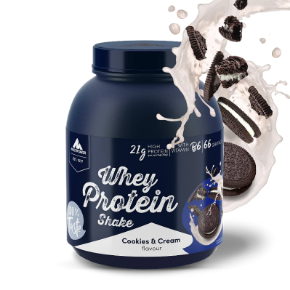
Whey Protein Shake 420g - Cookies & Cream MultiPower

Vegan Protein Shake 420g - Chocolate MultiPower

Vegan Protein Shake 420g - Vanilla MultiPower

Whey Protein Shake 420g - Chocolate MultiPower

Hydro Whey Protein 34 g Chocolate - Benefit


RED-WHITE SHAKER 600 ML BODY ATTACK

GREEN SHAKER 600 ML BODY ATTACK

1/2 Gallon Water Bottle - Z-Konzept


Hydro Whey Protein 34 g – Vanilla – Benefit

Prime Whey Protein Z-Konzept Nutrition 900 g – Chocolate


.png)


